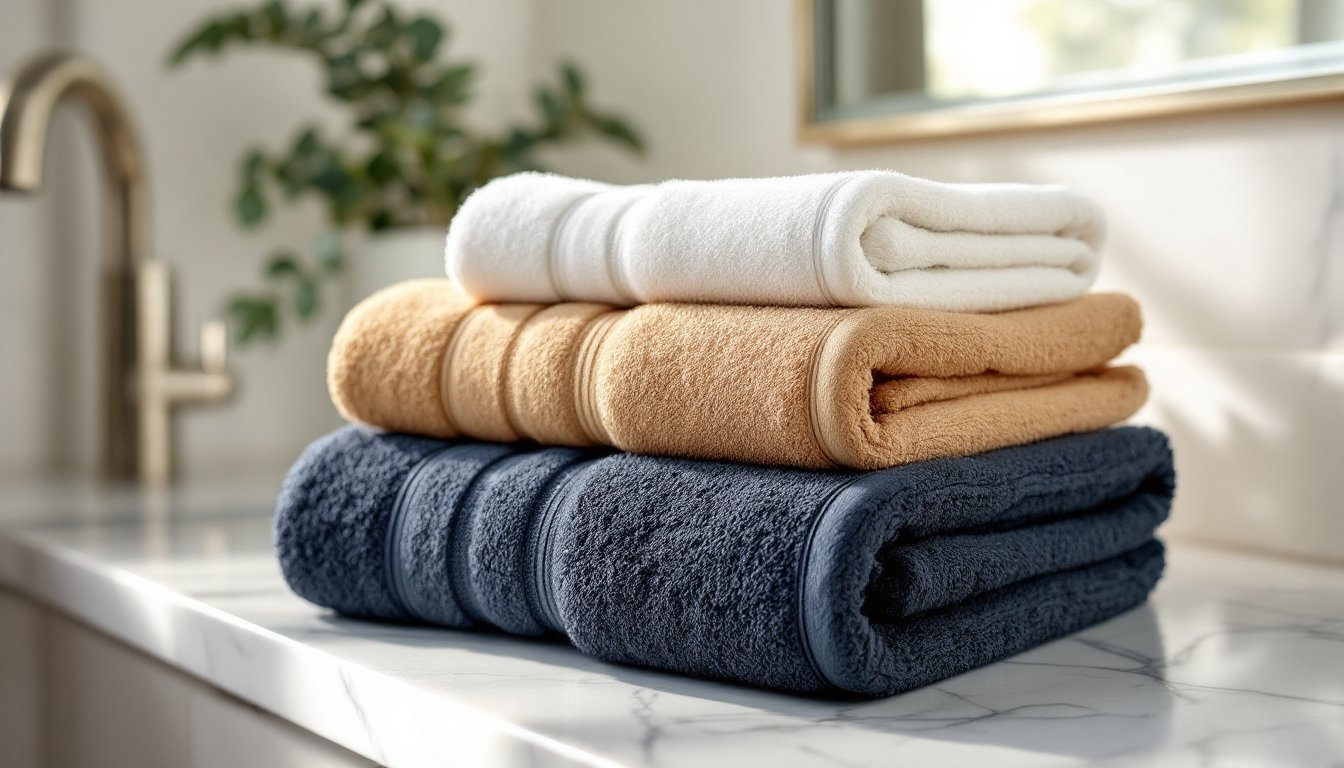
Upgrading bathroom linens doesn’t always mean replacing your bath sheets first. Luxury hand towels can transform a powder room or guest bath immediately, they’re affordable enough to swap seasonally and visible enough to make an impression. But “luxury” isn’t just about a high thread count slapped on packaging. It’s about density, fiber length, dye quality, and construction methods that most shoppers never think to check. Whether planning a full remodel or just refreshing tired linens, understanding what separates a $12 hand towel from a $40 one helps homeowners invest wisely instead of chasing marketing hype.
Table of Contents
ToggleKey Takeaways
- True luxury hand towels are defined by measurable factors like GSM (500-700 range), fiber staple length, and construction technique rather than marketing claims alone.
- Egyptian cotton excels in absorbency and durability, while Turkish cotton dries faster and is better suited for humid bathrooms and high-traffic areas.
- Proper care—including avoiding fabric softener, using warm water, and adding vinegar rinses—can double the lifespan of luxury hand towels regardless of initial price point.
- Direct-from-manufacturer brands and outlet stores offer better value than department stores, with luxury hand towels typically priced between $25–$40 retail.
- Seasonal rotating of lightweight Turkish cotton or bamboo blends for summer with heavier Egyptian cotton sets for winter maximizes comfort and extends towel longevity.
- Verify GSM rating, fiber origin, construction details, and country of manufacture before purchasing luxury hand towels, as specs not listed indicate mid-grade products marketed as premium.
What Makes a Hand Towel ‘Luxury’?
Three measurable factors separate premium hand towels from budget options: GSM (grams per square meter), fiber staple length, and construction technique.
GSM indicates towel density. Luxury hand towels typically range from 500 to 700 GSM. Anything below 400 GSM feels thin after a few washes. Above 700 GSM, towels become slower to dry and bulkier to store, not ideal for hand towel rotation.
Staple length refers to the length of individual cotton fibers before spinning. Longer fibers (like Egyptian and Turkish cotton varietals) produce fewer joins in the yarn, resulting in smoother texture and less pilling. Premium cottons use staples measuring 1.5 to 2 inches, compared to standard cotton’s 1-inch average.
Construction matters as much as material. Look for zero-twist or low-twist yarns in luxury towels, these produce fluffier loops with better absorbency. Ring-spun cotton (where fibers are tightly twisted) creates durability but sacrifices some plushness. Double-turned hems and reinforced edges prevent fraying, a common failure point in cheaper towels.
Many premium brands also use reactive dyes instead of pigment dyes. Reactive dyes chemically bond with cotton fibers, maintaining color intensity through repeated washing without stiffening the fabric. Pigment-dyed towels fade faster and can feel coated.
Top Materials for Premium Bathroom Hand Towels
Material choice drives performance more than any other factor. Here’s what works and where each excels.
Pima cotton (American-grown) offers excellent durability at a mid-luxury price point. It’s softer than standard cotton but less absorbent than Egyptian or Turkish varieties. Good choice for high-traffic guest baths where towels get washed frequently.
Bamboo viscose blends are gaining traction in luxury markets. They’re naturally antimicrobial and silky to the touch, but pure bamboo towels lack the heft some homeowners expect from luxury linens. A 60/40 bamboo-cotton blend balances softness with absorbency.
Supima cotton (a trademarked Pima variety) guarantees fiber length and origin. It’s 35% stronger than regular cotton and resists pilling. Expect to pay 20-30% more than unlabeled Pima, but quality control is tighter.
Linen hand towels are trending in modern farmhouse and Mediterranean-style bathrooms. They’re highly absorbent, dry quickly, and soften with age. But, linen wrinkles easily and lacks the plush feel of cotton loops. Best for homeowners who embrace a relaxed, textured aesthetic.
Avoid towels blended with polyester unless they’re explicitly marketed as quick-dry athletic styles. Polyester reduces absorbency and can feel slippery when wet, counterproductive for a hand towel’s primary function.
Egyptian Cotton vs. Turkish Cotton
Both are premium, but they behave differently.
Egyptian cotton (specifically Giza varietals) has the longest staple length, up to 2 inches. This creates exceptionally smooth, dense towels that improve with washing. Egyptian cotton towels are heavier, more absorbent, and slower to dry. They’re ideal for master baths where towels can air out between uses.
Turkish cotton has slightly shorter staples but is spun using techniques that create a lighter, faster-drying towel without sacrificing absorbency. Turkish towels often feature low-twist or zero-twist construction, making them fluffier out of the package. They’re better for powder rooms or kids’ bathrooms where quicker drying prevents mildew.
Both require a break-in period. Wash new towels twice before judging softness, manufacturers often apply sizing agents that stiffen fabric during shipping. Turkish cotton typically softens faster, within 3-4 washes, while Egyptian cotton peaks around 6-8 washes.
For humid climates (coastal regions, southern states), Turkish cotton’s faster drying time helps prevent musty odors. In drier climates, Egyptian cotton’s extra absorbency and heft feel more luxurious.
How to Choose the Perfect Luxury Hand Towels for Your Bathroom
Start with bathroom size and ventilation. Small powder rooms need faster-drying towels to avoid dampness. A 500-550 GSM Turkish or bamboo blend works better than a 700 GSM Egyptian towel that stays damp for hours.
Match color saturation to your cleaning routine. Deep jewel tones (navy, emerald, burgundy) hide makeup stains and aging better than white or pastels. But, luxury towels in darker shades often require cold-water washing to prevent dye bleeding. White and light neutrals can handle hot water and bleach when necessary, important for households with kids or for guest baths.
Towel dimensions vary more than most homeowners realize. Standard hand towels measure 16″ × 30″, but luxury brands often size up to 18″ × 32″ or even 20″ × 40″ for a more generous feel. Measure your towel bar or ring before buying, oversized towels on undersized hardware look bunched and sloppy.
Consider texture compatibility with existing fixtures. Brushed nickel and oil-rubbed bronze finishes can snag loosely woven or zero-twist towels. If you’ve invested in decorative hardware, choose towels with tighter loops or hemmed edges.
For households with hard water, Egyptian cotton holds up better long-term. Hard water minerals stiffen towels over time, and Egyptian cotton’s dense weave resists this better than lighter Turkish styles. Use a water softener or add white vinegar to rinse cycles to extend towel life.
Testing towels before committing is tough online, but reputable retailers like Remodelista’s bath towel guide offer hands-on comparisons. If ordering online, buy one towel first, wash it twice, then decide whether to order a full set.
Styling Your Bathroom with Designer Hand Towels
Designer towels work best when treated as functional accents, not showpieces. Here’s how to integrate them without overthinking it.
Layering textures adds depth. Pair a plush zero-twist hand towel with a linen bath mat or a woven basket for rolled washcloths. Mixing materials prevents the space from feeling too matchy or hotel-like.
Color blocking works in modern and transitional bathrooms. Instead of matching hand towels to bath towels, choose a complementary shade two steps lighter or darker. For example, charcoal bath towels with slate-blue hand towels, or cream bath towels with warm taupe hand towels. This approach reads as intentional, not mismatched.
Avoid monogramming unless you’re certain about long-term style. Embroidered initials date quickly and limit resale or donation options. If personalization matters, choose towels with subtle jacquard borders or textured dobby weaves instead.
For open shelving or ladder storage, roll towels rather than folding them. Rolling shows off texture and color while taking up less visual space. Stack three rolled hand towels per shelf for a spa-like look without clutter.
Seasonal swaps are practical with luxury hand towels. Keep a lightweight linen or Turkish cotton set for summer (faster drying in humidity) and a heavier Egyptian cotton set for winter (extra coziness). Rotating towels seasonally also extends their lifespan by reducing wear.
In guest baths, display one hand towel on the bar and stack two extras in a visible basket or on a shelf. Guests won’t feel awkward asking for a fresh towel, and the setup looks curated. Modern designers featured on Design Milk often use this technique in minimalist bathroom layouts.
Caring for Your Luxury Hand Towels to Maintain Softness and Quality
Proper care can double the lifespan of luxury towels. Most premature wear comes from overwashing, high heat, and fabric softener.
Wash frequency: Hand towels need washing every 3-4 uses in low-traffic bathrooms, every 1-2 uses in high-traffic or kids’ bathrooms. Overwashing breaks down fibers faster than normal use.
Water temperature: Use warm water (not hot) for regular washing. Hot water sets stains but also degrades elastic in hems and loosens dye. Reserve hot water for sanitizing white towels or dealing with illness in the household.
Detergent type: Skip fabric softener entirely. It coats cotton fibers and reduces absorbency, the opposite of what you want. Use liquid detergent (powder can leave residue in loops) at half the recommended amount. Luxury towels don’t need heavy cleaning unless visibly soiled.
Drying method: Tumble dry on low or medium heat. High heat shrinks cotton and makes towels stiff. Remove towels while slightly damp and shake them out before folding, this fluffs loops and prevents flatness. If air-drying, hang towels in a well-ventilated area and shake them midway through drying to maintain loft.
Vinegar rinse: Add half a cup of white vinegar to the rinse cycle every 4-6 washes. This strips mineral buildup, detergent residue, and body oils without harsh chemicals. Don’t combine vinegar with bleach (produces toxic fumes).
Storage: Store towels in a dry linen closet, not in the bathroom where humidity encourages mildew. If bathroom storage is necessary, ensure adequate ventilation. Avoid stacking towels tightly, compressed loops lose their shape.
Products tested by Good Housekeeping confirm that proper laundering preserves towel GSM better than brand reputation alone. A $40 towel washed correctly outlasts a $60 towel treated carelessly.
Where to Buy High-End Hand Towels: What to Look For
Retail markup on luxury towels can hit 300%, so knowing where to shop matters.
Direct-from-manufacturer brands (Brooklinen, Parachute, Boll & Branch) cut out middlemen and often offer better value than department stores. They also provide detailed specs, GSM, staple length, country of origin, that big-box retailers omit.
Outlet stores for high-end brands (Frette, Matouk, Sferra) carry overstock and discontinued colors at 40-60% off. Quality is identical to full-price items: you’re just limited on color selection.
Estate sales and consignment shops occasionally stock unused luxury linens. Inspect for yellowing, mustiness, and intact tags. Vintage luxury towels (pre-2000s) were often made with heavier GSM than modern equivalents, though dye quality may have faded.
Avoid mass-market “luxury” lines at big-box stores. Terms like “hotel quality” and “spa collection” are unregulated marketing. Check the GSM and fiber content instead. If those specs aren’t listed, it’s not truly luxury-grade.
What to verify before buying:
- GSM rating (500+ for true luxury)
- Fiber type and origin (avoid vague “100% cotton” labels)
- Construction details (ring-spun, zero-twist, combed, etc.)
- Return policy (luxury towels should allow returns after washing, since break-in period matters)
- Country of manufacture (Portugal, Turkey, and Egypt have strong reputations for towel production: China and India vary widely)
Price benchmarks as of 2026: Expect $25-$40 per luxury hand towel retail, $15-$25 on sale or direct-to-consumer. Anything under $15 is likely mid-grade marketed as luxury. Above $50 per hand towel, you’re paying for designer branding more than material quality, justifiable for a statement powder room, questionable for everyday use.