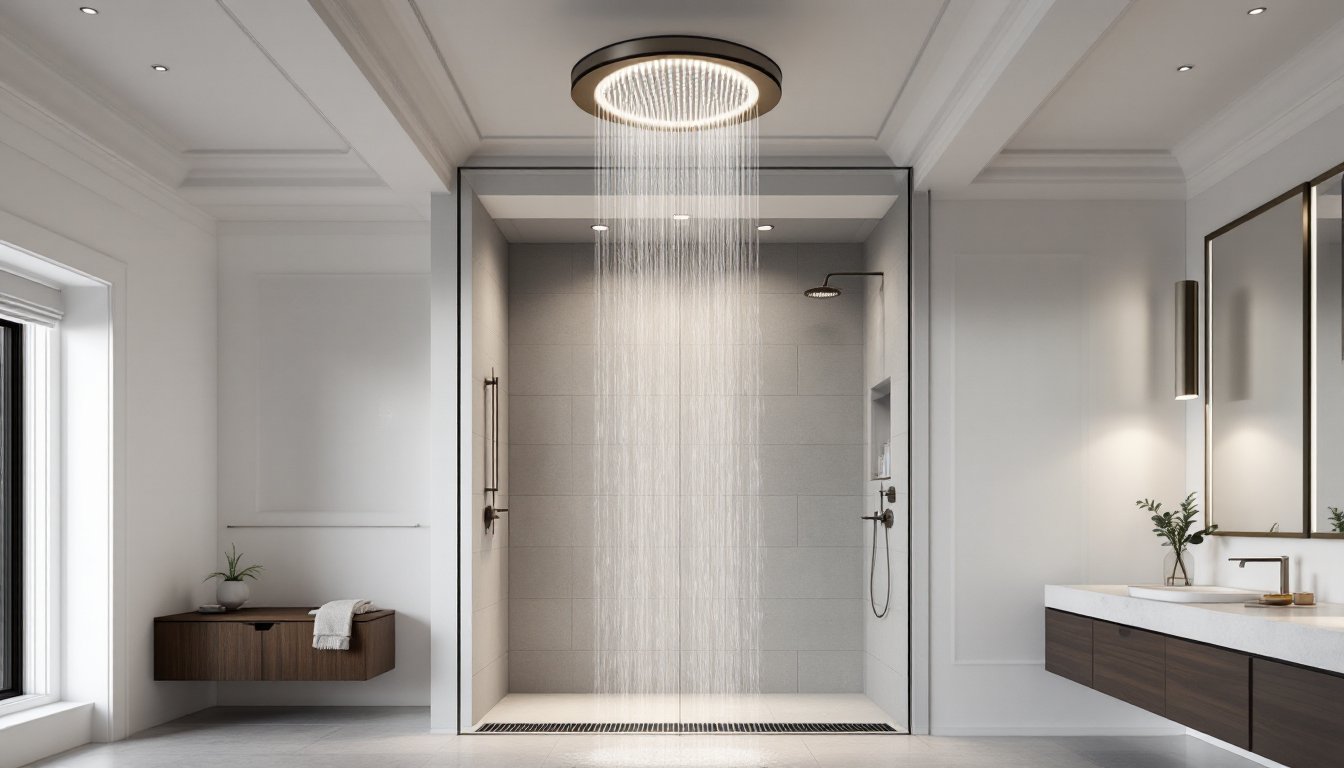
A rain shower isn’t just another bathroom fixture, it’s the centerpiece of a luxury bathing experience that turns a mundane morning rinse into something worth waking up for. Unlike traditional showerheads that hit you from one angle, a rain shower delivers water in a wide, gentle cascade that mimics standing in warm rainfall. This guide walks through what it takes to build a true luxury rain shower bathroom, from selecting the right hardware to understanding when you’ll need a plumber and when you can tackle the work yourself.
Table of Contents
ToggleKey Takeaways
- A luxury rain shower bathroom combines three essential factors: adequate water coverage (10–16 inches), precise temperature control via thermostatic valves, and high-quality materials like brass and brushed nickel that resist corrosion and water spotting.
- Ceiling-mount rain shower installations deliver the most authentic rainfall effect but require professional plumbing work to route supply lines through attic space, whereas wall-mount with extension arms offer a practical DIY-friendly alternative when ceiling access isn’t feasible.
- Complementary fixtures like handheld wands, body jets, and integrated LED lighting elevate the spa experience, but multiple jets demand at least 3.5–4.0 GPM flow and 40–60 PSI pressure, making a pressure assessment critical before installation.
- DIY replacements of existing showerheads are straightforward, but any work involving valve changes, ceiling access, re-piping, or structural modifications requires a licensed plumber and local building permits to ensure code compliance and safety.
- Surface design choices—large-format tiles, natural stone, bench seating, and proper slope (1/4 inch per foot toward drain)—transform a functional rain shower into a luxurious retreat that prevents pooling and mold growth.
- Ventilation rated at 1 CFM per square foot of bathroom space, warm-white LED lighting (3000K–3500K), and finishing touches like niches and waterproofed shelving complete the ultimate luxury rain shower bathroom experience.
What Makes a Rain Shower Bathroom Luxurious?
Luxury in a rain shower bathroom comes down to three factors: water coverage, control, and materials.
Water coverage means the showerhead diameter and spray pattern. Entry-level rain showers start around 8 inches, but luxury models range from 10 to 16 inches or larger. A 12-inch head covers roughly 113 square inches, enough to drench your shoulders without repositioning. Larger heads require sufficient water pressure and flow rate, typically 2.5 gallons per minute (GPM) or more, though many high-end models use air-injection technology to maintain feel while meeting WaterSense standards at 2.0 GPM or less.
Control separates a good rain shower from a great one. Luxury setups include thermostatic valves that maintain consistent temperature even when someone flushes a toilet elsewhere in the house. Diverter valves let users switch between the rain head, a handheld wand, and body jets without adjusting multiple knobs. Digital controls with presets take it further, but they add cost and complexity.
Materials matter for longevity and aesthetics. Solid brass valve bodies resist corrosion better than zinc alloys. Stainless steel and brushed nickel finishes hold up to daily water exposure without pitting. Chrome still works, but it shows water spots more readily. Avoid plastic components in anything behind the wall, they’re the first to fail.
A truly luxurious rain shower bathroom also considers the shower pan or tile base. Proper slope (minimum 1/4 inch per foot toward the drain) and a linear drain can eliminate curbs entirely for a seamless, walk-in design.
Top Design Features for a Luxury Rain Shower Bathroom
Choosing the Perfect Rain Shower Head
Rain showerheads mount in three ways: ceiling-mount, wall-mount with extension arm, or a hybrid system. Ceiling-mount installations deliver the most authentic rainfall effect but require plumbing routed through the ceiling joists or attic space. This often means opening drywall and patching, plus ensuring adequate backing (a 2×6 or 2×8 block between joists) to support the weight and torque of a large showerhead.
Wall-mount with extension arm works when ceiling access is impractical. The arm should extend at least 12 inches from the wall to center the spray over the user. Look for arms with a ball joint for angle adjustment, cheaper fixed arms often position the head too far forward or back.
For water delivery, consider whether you want a fixed-flow rain head or one with multiple spray patterns. Purists prefer a single, wide rain pattern without pulsing or massage modes. Multi-function heads add versatility but often compromise the rain effect with narrower coverage.
Height matters. Mount the showerhead 80 to 84 inches from the shower floor for most users. Taller households may want 90 inches or more. Test clearance with a tape measure and a helper before committing to plumbing changes.
When browsing high-end rain shower options, compare flow rates, spray diameter, and finish warranties. Lifetime finish warranties indicate better plating quality.
Complementary Fixtures and Hardware
A rain shower shouldn’t stand alone. Handheld wands mounted on a slide bar handle targeted rinsing, pet baths, and cleaning the enclosure itself. Position the slide bar 48 to 52 inches from the floor so the wand sits at chest height when docked.
Body jets installed at torso and knee height add a spa-like dimension but require serious plumbing. Each jet needs a dedicated supply line, and running four to six jets simultaneously demands at least 3.5 to 4.0 GPM total flow and 40 to 60 PSI pressure. Homes on well systems or older municipal connections may struggle without a pressure booster.
Thermostatic or pressure-balancing valves are non-negotiable for safety. The International Residential Code (IRC) requires anti-scald protection in all new shower installations. Thermostatic valves cost more but offer finer temperature control than pressure-balancing types.
Finish consistency across all fixtures, showerhead, wand, jets, valve trim, towel bars, and even drain covers, creates visual cohesion. Mixing metals can work if done intentionally (e.g., matte black fixtures with brass accents), but mismatched finishes usually look like a budget compromise.
For a complete luxury experience, many designers incorporate ambient features found in upscale interior concepts such as recessed shelving with integrated LED strips, bench seating with waterproofed wood or stone, and frameless glass enclosures with minimal hardware.
Installation Considerations: DIY vs. Professional
Replacing an existing showerhead with a rain head is straightforward DIY if the new unit fits the current arm and the water pressure supports it. Unscrew the old head, wrap the threads with three to four layers of PTFE (Teflon) tape in a clockwise direction, and hand-tighten the new head. Use an adjustable wrench for a final quarter-turn, overtightening can crack the fitting.
Anything beyond a simple swap usually requires a plumber. Ceiling-mount installations involve cutting into drywall, routing new supply lines, and ensuring proper support blocking. If you’re working in a second-floor bathroom, you’ll need attic or ceiling access. Cutting into finished ceilings without hitting electrical, HVAC ducts, or structural members is risky without experience.
Valve replacements demand shutting off the home’s water supply, draining lines, cutting into tile or surround panels, and sweating copper or soldering PEX connections. Most jurisdictions require a permit for valve work because it affects the building’s plumbing system. Inspectors verify backflow prevention and proper venting.
If adding body jets or multiple showerheads to a single valve, the supply lines must be upsized. A standard 1/2-inch supply line can’t deliver adequate flow for multiple fixtures running simultaneously. Upgrading to 3/4-inch lines from the water heater improves flow and pressure. This level of re-piping is a professional job unless the homeowner has plumbing experience and the right tools (pipe cutter, torch, flux, solder, or a PEX crimper).
Permit requirements vary by location. Most areas require permits for: moving or adding plumbing fixtures, opening walls to access plumbing, altering drain lines, or adding new electrical (for digital shower controls or lighting). Cosmetic upgrades like replacing a showerhead or re-grouting tile typically don’t require permits. Check with the local building department before starting.
Safety warning: Always wear safety goggles when cutting tile, drywall, or pipe. Use a dust mask when sawing or grinding, and wear gloves when handling sharp tile edges or soldering. Turn off the water supply and verify it’s off before cutting into any plumbing.
Creating the Ultimate Ambiance and Finishing Touches
Lighting transforms a functional shower into a retreat. Recessed LED fixtures rated for wet locations (UL listing for shower zones) should be installed in the ceiling outside the direct spray path. Dimmer-compatible LEDs let users adjust brightness from energizing morning light to a softer evening glow. Color temperature matters, 3000K to 3500K (warm white) feels more spa-like than the harsh 5000K (daylight) bulbs common in builder-grade baths.
For adventurous remodelers, chromotherapy (color-changing) LEDs integrated into the showerhead or ceiling add a touch of high-end spa ambiance, though they’re purely aesthetic and add cost.
Ventilation is critical. Luxury showers generate more steam than standard setups due to larger heads and longer shower times. The bathroom exhaust fan should move at least 1 CFM per square foot of bathroom space. For bathrooms over 100 square feet or those with steam showers, upsize to a fan rated for 150 CFM or higher. Run the fan during the shower and for 20 minutes afterward to clear moisture and prevent mold.
Surface materials set the tone. Large-format porcelain tiles (12×24 inches or bigger) minimize grout lines and create a clean, modern look. Natural stone like marble, travertine, or slate adds texture but requires sealing every 6 to 12 months to resist water and soap buildup. Avoid porous stones in the direct spray zone.
A built-in bench or corner seat, whether tiled or made from teak (naturally water-resistant), increases comfort. Teak requires occasional oiling but holds up without rotting. Tile benches need a sloped top (again, 1/4 inch per foot) so water doesn’t pool.
Niches and shelving should be planned during the rough-in stage. Pre-fabricated shower niches install between studs and are waterproofed before tiling. Custom niches can be built with cement board and a waterproof membrane, but they must be properly flashed to prevent leaks.
Finally, many homeowners explore design inspiration and visual galleries to refine their aesthetic, whether that’s minimalist monochrome, rustic spa, or contemporary luxury. Collecting reference images before committing to materials helps communicate vision to contractors and avoid costly mid-project changes.
Conclusion
A luxury rain shower bathroom isn’t about chasing trends, it’s about investing in materials, flow dynamics, and thoughtful design that deliver real comfort every day. Whether replacing a showerhead or gutting a bathroom down to the studs, the key is planning around water performance, code compliance, and finishes that last. DIYers can handle cosmetic upgrades and fixture swaps, but structural plumbing and electrical work call for licensed pros and permits. Done right, a rain shower transforms a utilitarian space into the best part of the day.